Jigsaw puzzles for people with dementia and Alzheimer’s
These puzzles are for carers and families doing a jigsaw with someone living with dementia. Each picture is something familiar and calm — a dog or cat, garden flowers, a cottage, a bowl of fruit, a garden bird — that can start a conversation as easily as it can be solved. Use 12 or 24 pieces so the pieces are large and the finish comes quickly.
 Shiba Puppies New
 Autumn Dahlias New
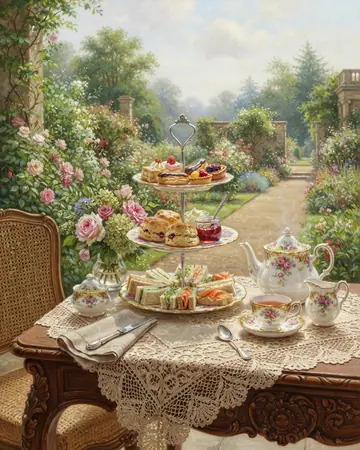 Afternoon Tea New
 Blossom Branches New
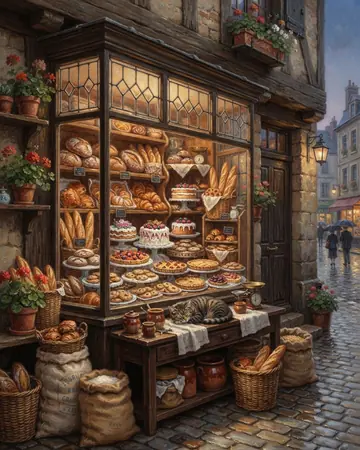 Bakery Window New
 Farmers Market New
 Blue Kingfisher New
 Orchid House New
 Old Stone House New
 Peony Bouquet New
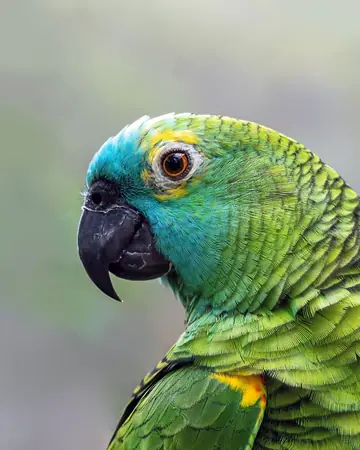 Green Parrot New
 Rose Garden New
 Italian Kitchen New
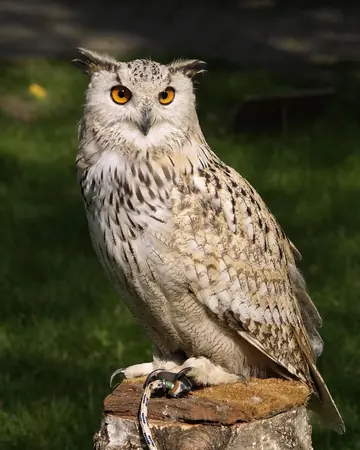 Eagle Owl New
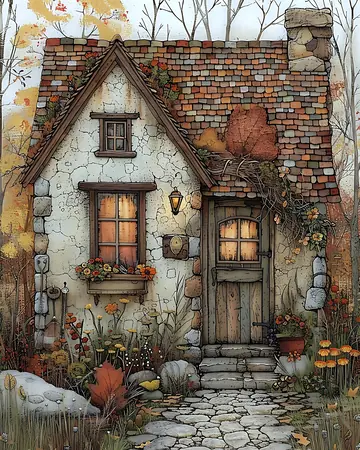
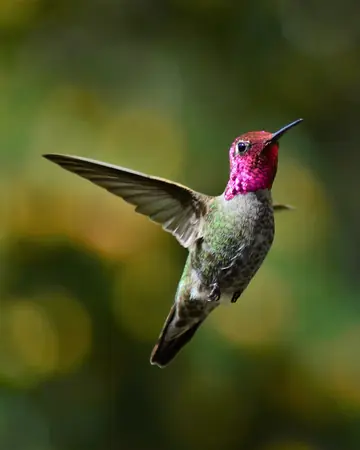

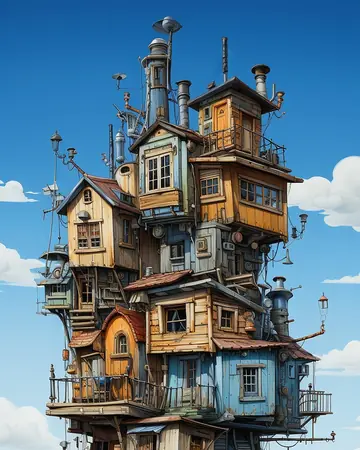


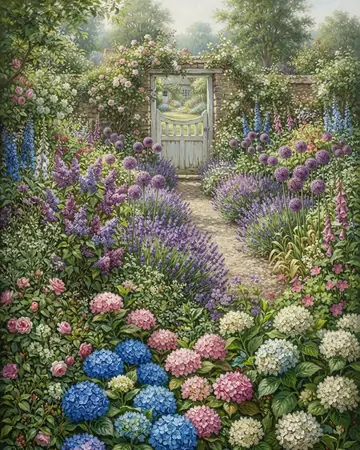








Do it together and keep it gentle. There is no time limit and nothing is lost by stopping; the puzzle waits where it was left. Talk about the picture — a dog they had, flowers they grew — as much as the pieces. If it becomes frustrating, drop the piece count or finish it together; the point is the time spent, not the score.
Puzzles designed for calm, not challenge
For someone living with dementia, the right puzzle is one that can be finished, with a picture that is pleasant and familiar. This page keeps to small piece counts and clear subjects: animals, flowers, homes and everyday objects. Sitting together and talking about the picture — a dog someone had, a place they visited — is often as valuable as the puzzle itself. Stop while it is still enjoyable; progress saves for another day.
What’s in this collection
This page has 30 puzzles, and the subjects that come up most often in them are house (4), puppy (3) and retriever (3). The newest was added on 7 October 2026.
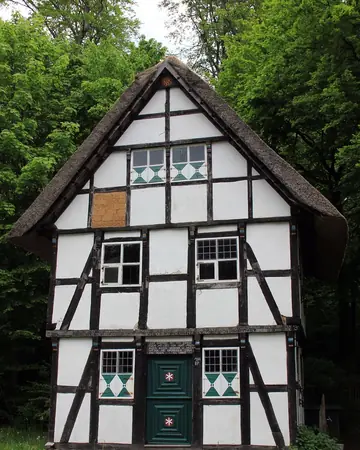
They include 12 pictures made for the Jigsaw Puzzles app and 18 photographs from Pixabay. Among them: Hummingbird in Flight, Golden Puppy with a Stick, The Tower of Houses, Golden Retriever on Blue, Hydrangeas and Lavender, Blue Door and Bougainvillea, Kingfisher on a Branch, Half-Timbered House in the Woods, Kitten at the Window and Shiba Puppies.
More ways to browse
Common questions
Are jigsaw puzzles good for people with dementia?
Many carers find simple puzzles a calm, shared activity that can prompt memories and conversation. Choose a familiar picture and a small piece count, and do it together.
What piece count is best for dementia?
Twelve or 24 pieces. The pieces are large and the puzzle finishes quickly, which keeps it rewarding.
Are these puzzles suitable for people with Alzheimer’s?
They are the same kind of puzzle: one calm, familiar picture and a small number of large pieces. Every person is different, so let their enjoyment decide the piece count. For advice on activities, the Alzheimer’s Association and Alzheimer’s Society are good places to ask.
How can carers use online jigsaw puzzles?
As a short shared activity: choose a familiar picture at 12 or 24 pieces, sit alongside, and talk about the picture as it comes together. A tablet is often easier to use than a mouse.
Are these puzzles suitable for later-stage dementia?
Twelve-piece puzzles with one large, familiar subject are the best fit. Every person is different, so follow their mood and enjoyment rather than finishing the puzzle.